















































The Tunisian fouta, much more than a simple towel, is the essential accessory of summer. Thanks to its lightness, absorbency and artisanal style, it can be transformed into a sarong, picnic blanket, travel blanket or decorative element.
In this article, discover 7 original ideas for using your fouta, as well as the reasons why the cotton fouta is ideal for your holidays.


Introduction to Tunisian HandicraftsTunisian craftsmanship is one of the pillars of Tunisia's cultural heritage. Inherited from millennial traditions, it reflects the history, influences, and expertise of the country's various regions. Today, it continues to captivate both locals and visitors from around the world thanks to its authenticity and diversity.
Tunisian craftsmanship is one of the pillars of Tunisia's cultural heritage. Inherited from millennial traditions, it reflects the history, influences, and expertise of the country's various regions. Today, it continues to captivate both locals and visitors from around the world thanks to its authenticity and diversity.

Economic and cultural importance
Tunisian craftsmanship contributes significantly to the local economy by creating jobs and promoting national resources. It also plays an essential role in preserving Tunisian cultural identity.
Today, Tunisian artisans are innovating by adapting their creations to contemporary trends while maintaining their authenticity. This evolution allows Tunisian craftsmanship to shine on the international stage.
Here are 7 examples of Tunisian handicrafts
01
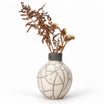
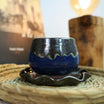
Tunisian pottery, particularly that of Nabeul, is renowned for its vibrant colors and traditional patterns. Artisans handcraft utilitarian and decorative objects that bear witness to ancestral know-how.

02
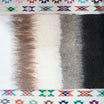
The Tunisian rug, particularly the Kairouan one, is world-renowned. Handmade, it is distinguished by its geometric patterns and natural colors.
03
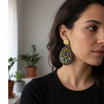
Tunisian jewelry, often made of silver, is inspired by Berber and Andalusian symbols. It represents a true cultural heritage passed down from generation to generation.

04
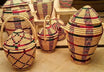
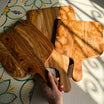
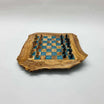
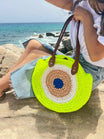
Objects made from esparto grass, palm, or olive wood are both practical and aesthetic. They illustrate the close link between craftsmanship and nature.
05
Traditional clothing is an integral part of Tunisian craftsmanship. The jebba, the sefseri, and embroidered dresses all bear witness to the country’s cultural richness. Each region has its own styles, colors, and embroidery techniques.
06
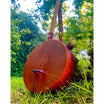
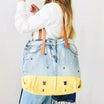
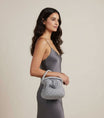
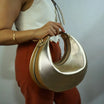
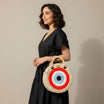
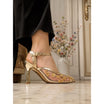
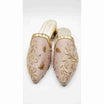
Tunisian craftsmanship also offers a wide range of accessories: bags, shoes, belts, and decorative items. Made from natural materials such as leather, esparto grass, or fabric, these accessories combine tradition and modernity.
07
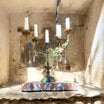
Copper work holds an important place in Tunisian craftsmanship. Trays, teapots, lamps, and decorative objects are handcrafted and engraved with great precision. These pieces reflect meticulous craftsmanship and are highly prized for their authentic and refined appearance.
01
Pottery and ceramics
Tunisian pottery, particularly that of Nabeul, is renowned for its vibrant colors and traditional patterns. Artisans handcraft utilitarian and decorative objects that bear witness to ancestral know-how.
02
Weaving and carpets
The Tunisian rug, particularly the Kairouan one, is world-renowned. Handmade, it is distinguished by its geometric patterns and natural colors.
03
Handcrafted jewelry
Tunisian jewelry, often made of silver, is inspired by Berber and Andalusian symbols. It represents a true cultural heritage passed down from generation to generation.
04
Basketry and wood art
Objects made from esparto grass, palm, or olive wood are both practical and aesthetic. They illustrate the close link between craftsmanship and nature.
05
Traditional Tunisian outfits
Traditional clothing is an integral part of Tunisian craftsmanship. The jebba, the sefseri, and embroidered dresses all bear witness to the country’s cultural richness. Each region has its own styles, colors, and embroidery techniques.
06
Handcrafted accessories
Tunisian craftsmanship also offers a wide range of accessories: bags, shoes, belts, and decorative items. Made from natural materials such as leather, esparto grass, or fabric, these accessories combine tradition and modernity.
07
Copper: an iconic craft
Copper work holds an important place in Tunisian craftsmanship. Trays, teapots, lamps, and decorative objects are handcrafted and engraved with great precision. These pieces reflect meticulous craftsmanship and are highly prized for their authentic and refined appearance.
ConclusionTunisian craftsmanship is a true national treasure. From copperware and accessories to traditional attire and everyday objects, it reflects a vibrant and precious cultural heritage that continues to captivate the world.
Tunisian craftsmanship is a true national treasure. From copperware and accessories to traditional attire and everyday objects, it reflects a vibrant and precious cultural heritage that continues to captivate the world.
Here is our selection of Tunisian handicrafts


Red Tunisian wool chechia
Sale price39.900 TND
Regular price44.900 TND
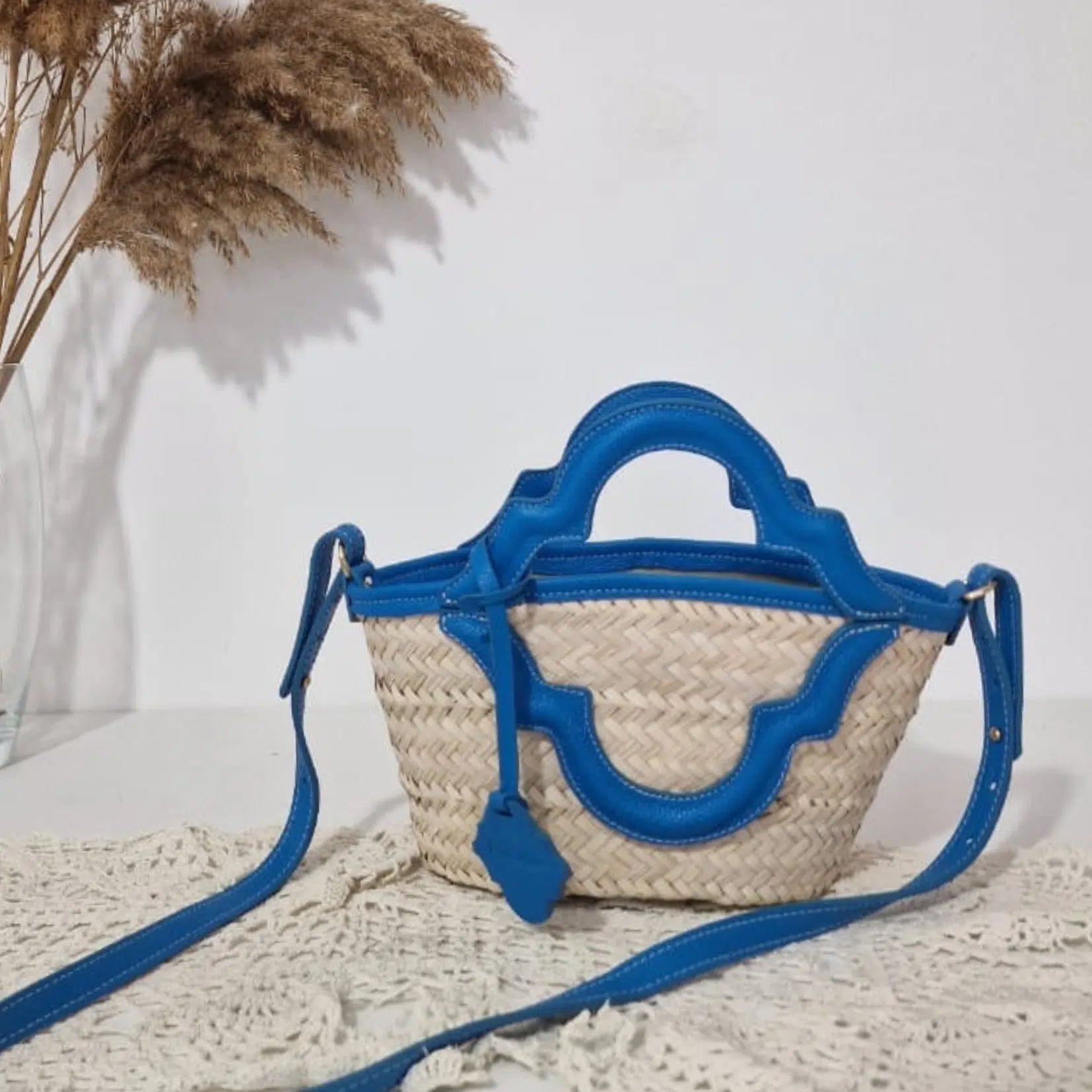
Blue palm leaf and genuine leather Moses basket
Sale priceFrom 119.990 TND


Handmade straw fan with cowrie shell, summer elegance
Sale price49.900 TND
Regular price59.900 TND


Set of 3 Felfel ceramic bowls
Sale price42.000 TND
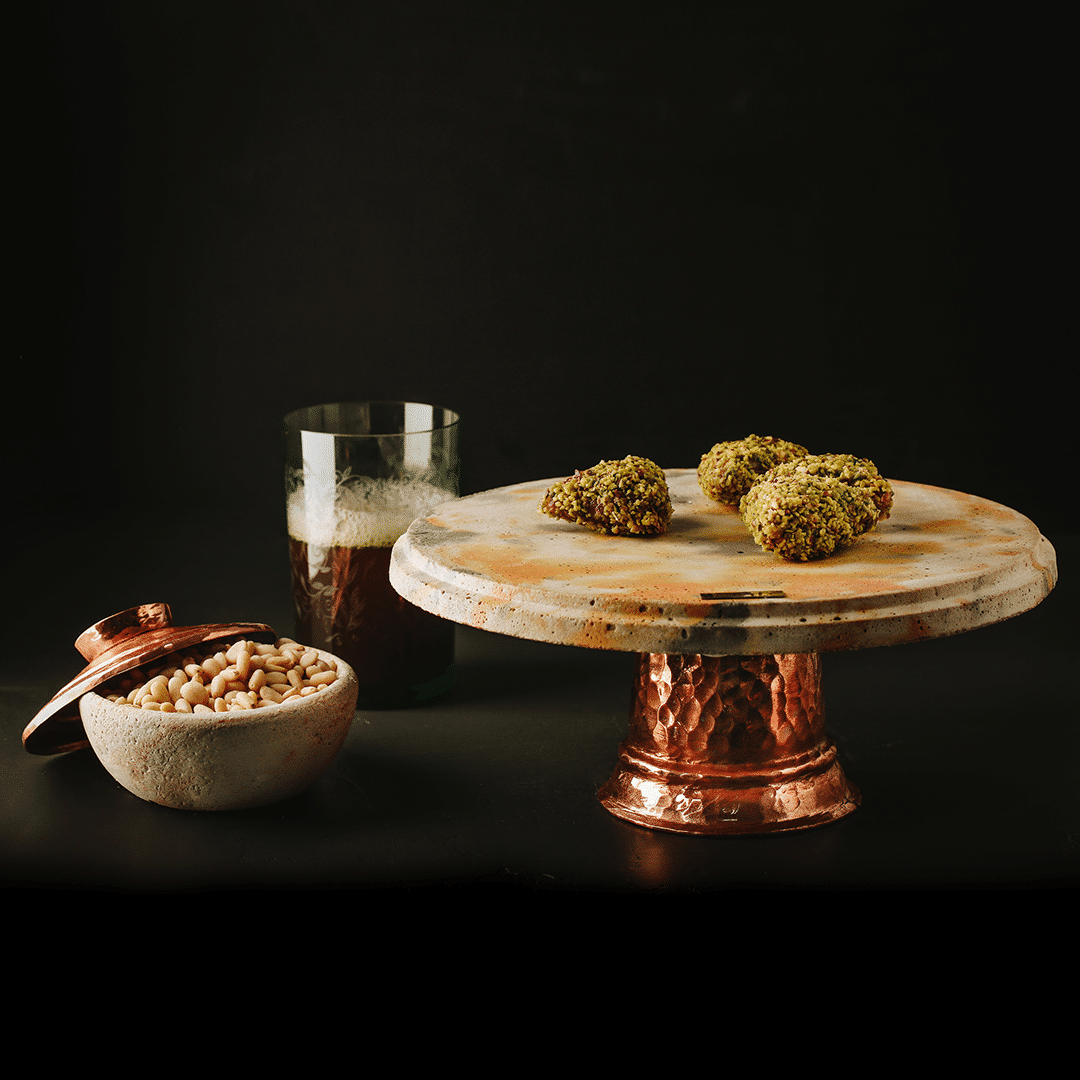
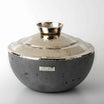
Tea Pack – Marbled concrete display stand & copper bowl with lid
Sale price110.000 TND
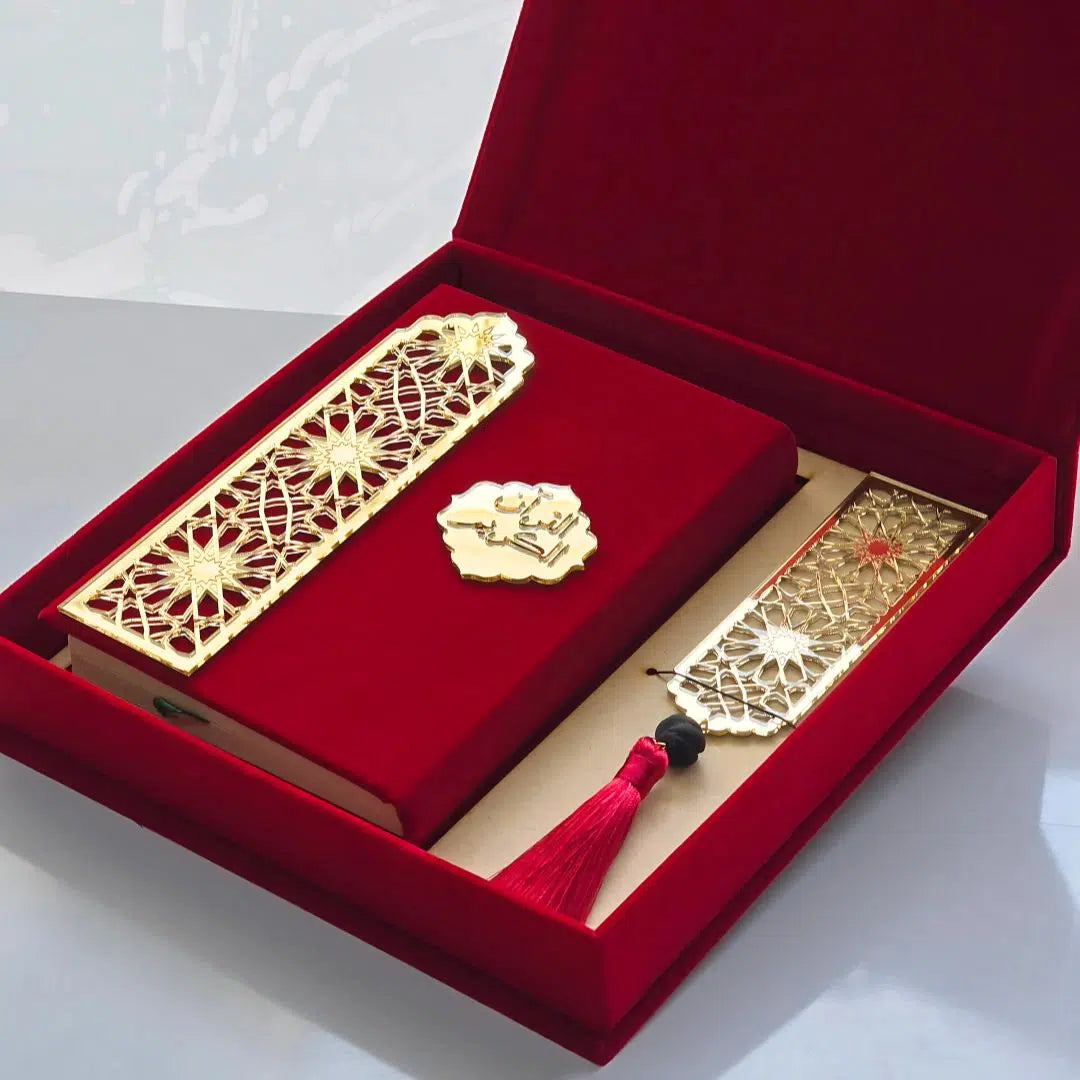
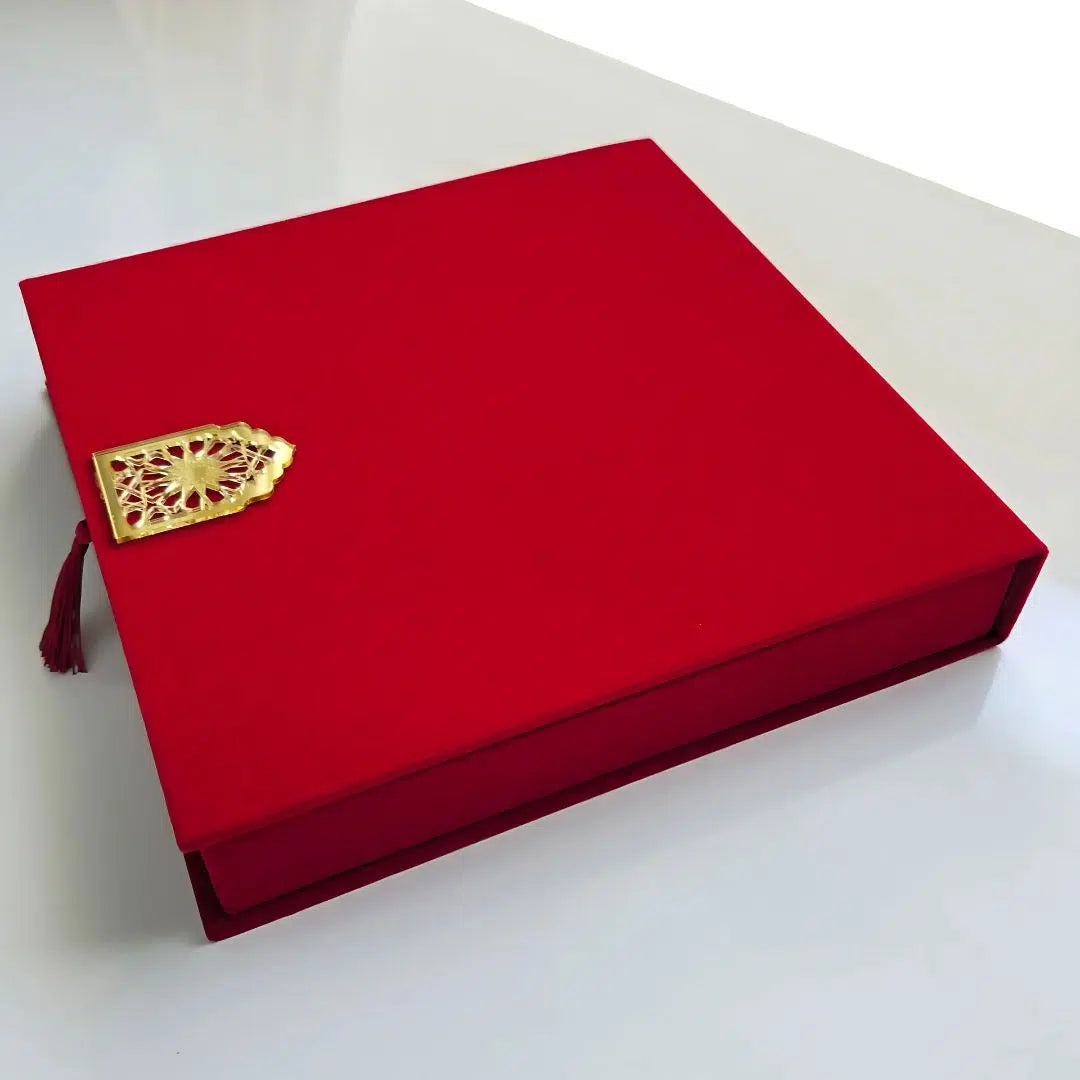
Velvet Quran box with gold bookmark (26x26 cm)
Sale price124.990 TND
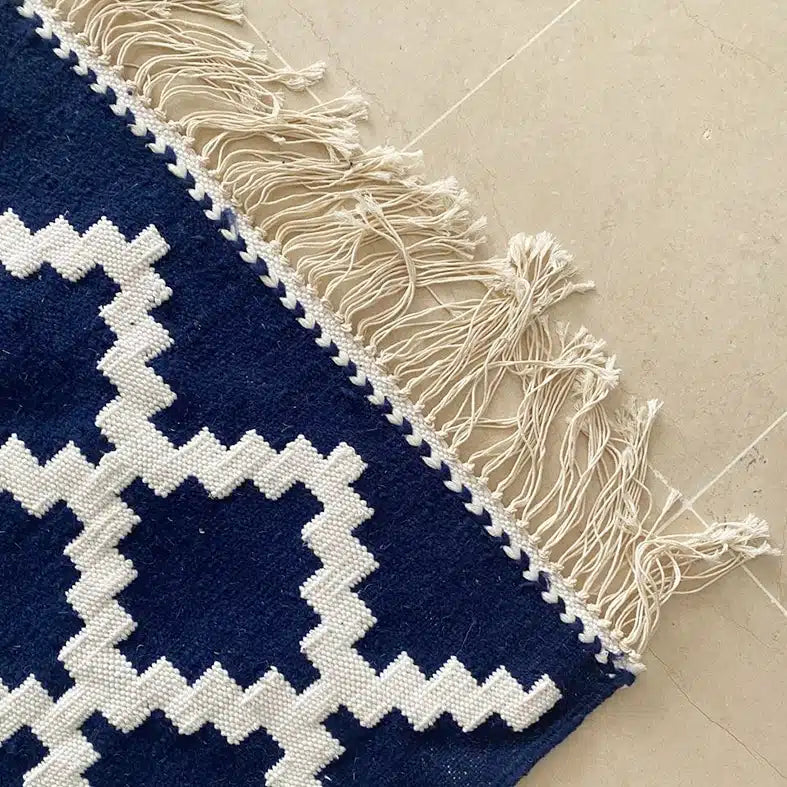
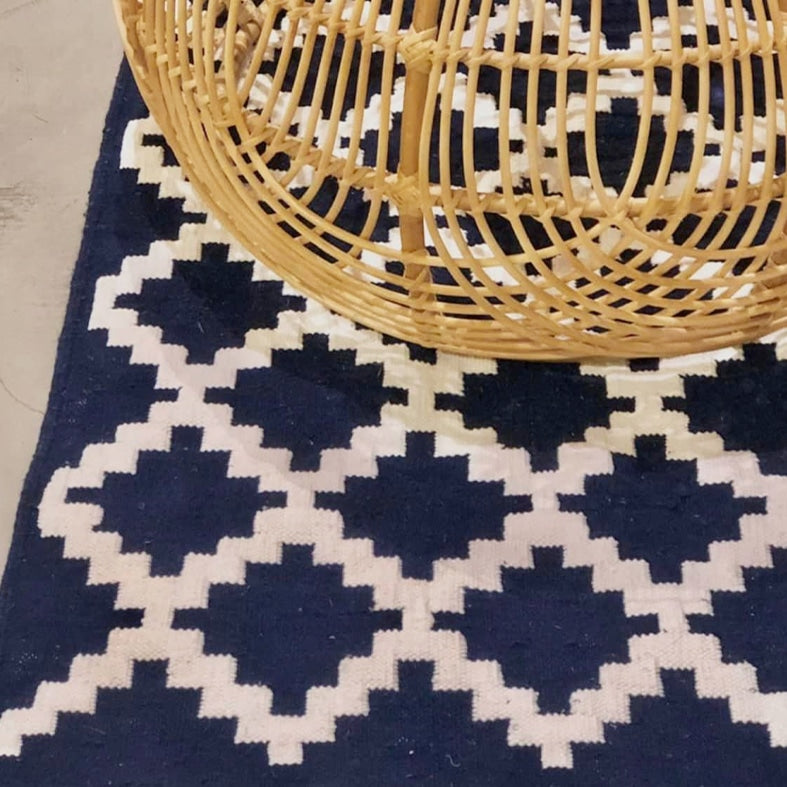
Two-tone MOS wool kilim – Customizable in cotton or vegetable silk
Sale priceFrom 140.000 TND

Date coffee caffeine – natural & tasty, 21 cl Tunisia | ILEY'COM
Sale price15.000 TND


wooden keychain engraved with the emblematic symbols of Tunisia
Sale price12.000 TND


Hat / Mdhala in taiel
Sale priceFrom 40.000 TND


Copper Tea Set
Sale price470.000 TND
Regular price490.000 TND


ground red pepper 250g
Sale price4.600 TND
Discover other related articles

10 Best Corporate Gift Ideas at All Prices in Tunisia
Giving a corporate gift is more than just a courtesy: it's a way to recognize, motivate, and strengthen professional relationships. Whether it's to thank your colleagues, congratulate your partners...

15 Gift Ideas for Mother's Day
There are a thousand ways to express our love to those who matter most. Looking for ideas or inspiration? If you're lacking inspiration, discover 15 heartfelt gift ideas to celebrate your mom prop...